- Tree Tips — Arbolpro Services
Expert Tree Care Tips for Homeowners in Palm Beach County
Learn how to protect your trees, prepare for hurricane season, and make informed tree care decisions with expert guidance from ArbolPro Services. Our certified arborists share practical tips and local insights to help Palm Beach County homeowners maintain safer, healthier, and more beautiful landscapes year-round.
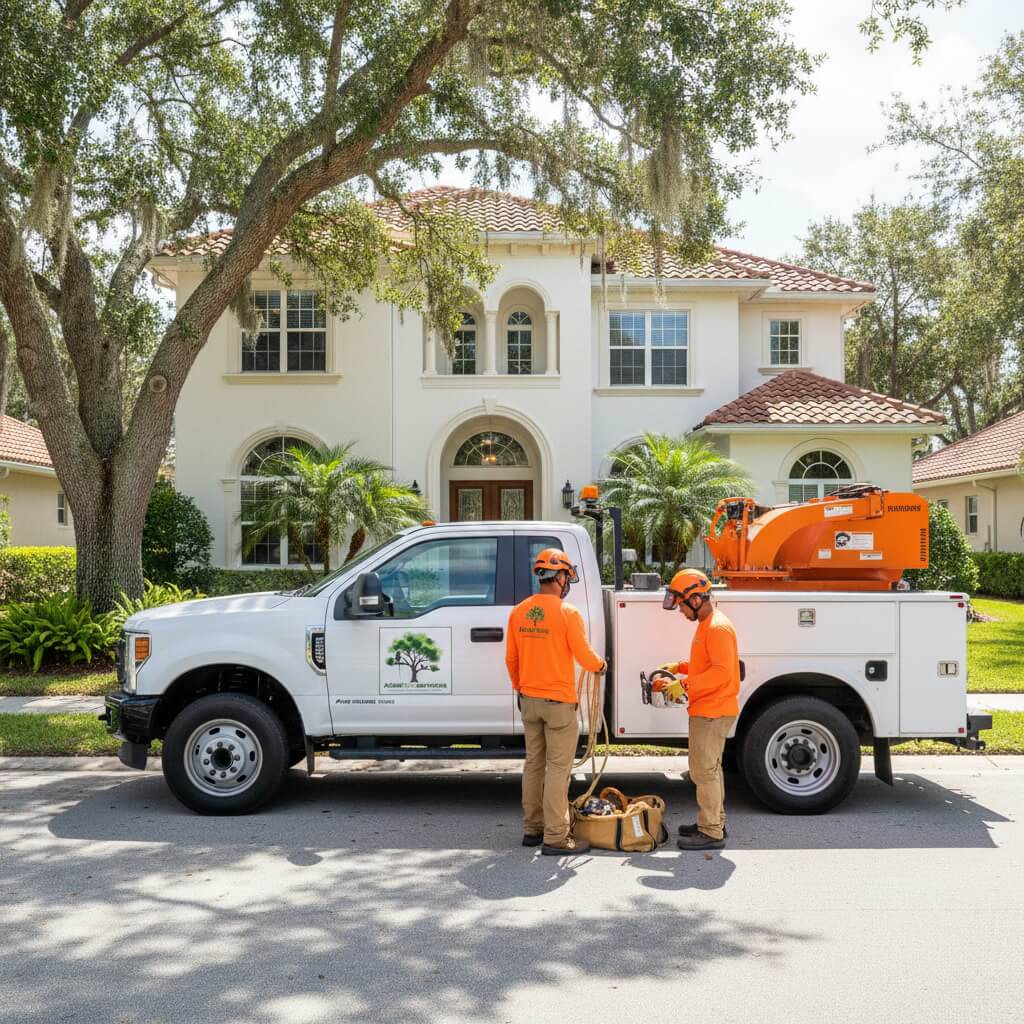
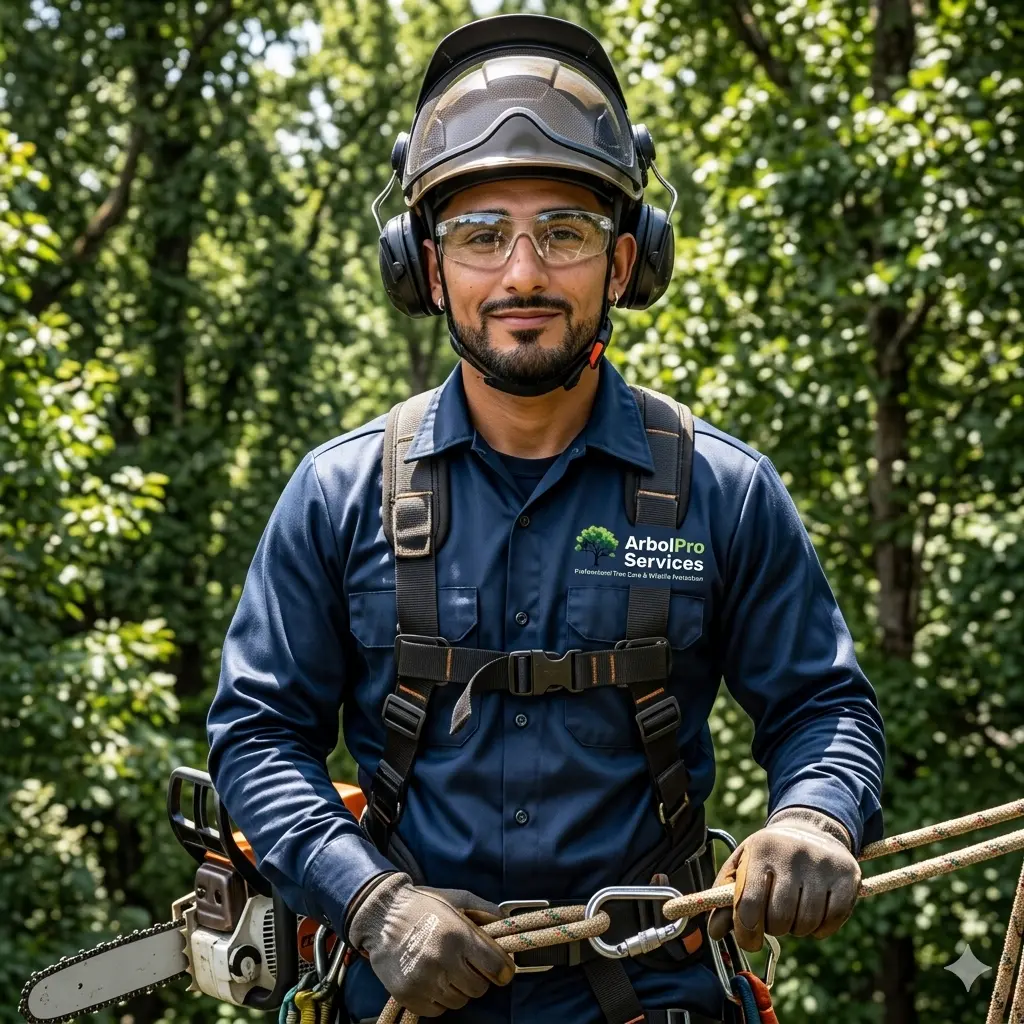
Tree Care Tips & Guides for Palm Beach County Homeowners
Learn how to protect your trees, prepare for hurricane season, recognize hazardous tree conditions, and maintain a healthier landscape with expert advice from the ArbolPro team.
- Hurricane Season Prep
- Palm Tree Care
- Tree Removal
- Trimming & Pruning
- Stump Grinding
- Tree Health & Disease
Hurricane Prep
Before and after the season
Palm Tree Care
Trimming, disease, removal
Tree Removal
When, why and how
Trimming & Pruning
South Florida best practices
Stump Grinding
What you need to know
Tree Health
Disease and invasive species
- Hurricane Season Prep
Hurricane Season Tree Prep — Palm Beach County Guides
South Florida’s hurricane season runs June 1 through November 30. What you do (and don’t do) to your trees before and after the season matters more than most homeowners realize.
When to Trim Your Trees Before Hurricane Season in South Florida
The window is March through May — before June 1, before the heat stresses freshly cut wood, and before our calendar fills up. Here's what to cut, what to leave alone and why the timing matters for tree health, not just storm prep.
How to Assess Your Trees After a Storm — Before You Call Anyone
After a storm, some situations need immediate attention and some can wait a few days. Here's how to walk your property, identify what's an active hazard versus cosmetic damage, document for your insurance claim and decide who to call first.
The #1 Tree Mistake Homeowners Make Before a Hurricane — The Hurricane Cut
The "hurricane cut" — stripping all green fronds off a palm down to a bare trunk — is one of the most damaging things you can do to a palm tree. It removes the canopy that protects the bud, stresses the tree and actually increases storm damage risk. Here's what to do instead.
Need Help With Your Trees?
- Palm Tree Care
Palm Tree Care in Palm Beach County
Palms are the most common tree in Palm Beach County — and the most commonly mistreated. These guides cover the most frequent questions we get on-site.
Coconut Palms Before Storm Season — What Every Palm Beach County Homeowner Should Know
A mature coconut can weigh 4–10 pounds. At 100 mph wind speeds, it becomes a serious projectile. We explain when coconut removal matters, when it doesn't, what it costs and why timing relative to hurricane season matters.
Why Is My Palm Tree Turning Yellow? A Homeowner's Diagnosis Guide
Yellow fronds on a palm in South Florida can mean three different things: potassium deficiency (the most common cause), Lethal Bronzing disease (no cure — acts fast) or natural lower-frond senescence (normal — no action needed). Here's how to tell them apart before you call an arborist.
The Right Way to Trim a Palm Tree in South Florida
The 9–3 clock position rule: only remove fronds below the horizontal line, plus fruit stalks and dead material. We explain exactly why over-trimming harms the tree, how often palms actually need trimming in Palm Beach County, and what a correct trim looks like versus a damaging one.
Need Help With Your Trees?
- Tree Removal
Tree Removal in Palm Beach County — When, Why and How
How do you know when a tree actually needs to come down? What permits does Palm Beach County require? What does it cost? These are the questions we answer most often during free estimates.
How Much Does Tree Removal Cost in Palm Beach County? Real Ranges from a Local Company
Small palm: $500–$900. Mid-size oak: $900–$2,500. Large tree over a structure: $2,500–$5,000+. We explain every factor that moves the price — height, diameter, crane requirement, site access, permit — so you know what to expect before getting a quote.
Do You Need a Permit to Remove a Tree in Palm Beach County?
The short answer: often yes — and the fines for removing a protected tree without one can exceed the cost of removal itself. We break down the Palm Beach County ULDC rules, which species are protected, what the permit process looks like and how we handle it so you don't have to call the county.
7 Signs Your Tree Needs to Come Down — A Field Guide from Palm Beach County Arborists
Dead branches that don't leaf out in spring. Visible cracks or splits down the main trunk. Mushroom growth at the base. A lean that wasn't there last year. Roots lifting from the ground. Signs of active disease. Proximity to your structure. Here's what each one means and when it becomes urgent.
Need Help With Your Trees?
- Trimming & Pruning
Tree Trimming and Pruning — South Florida Best Practices
Trimming and pruning done correctly keeps trees healthy for decades. Done incorrectly, it can kill a tree in 3–5 years. These guides explain the difference — in plain language.
Why Topping a Tree Is Almost Always a Mistake — And What to Do Instead
Tree topping — cutting the main leader or large scaffold branches back to stubs — triggers rapid, weak regrowth, invites decay and usually kills the tree over 3–5 years. It's also explicitly prohibited by the ANSI A300 standard that certified arborists follow. Here's why it's still so common, why companies do it and what crown reduction actually looks like when done correctly.
The Best Time of Year to Trim Trees in South Florida
For most hardwoods: November through April — outside hurricane season, when bark beetle risk is lower and freshly cut wood has time to callus before the summer heat. For palms: late spring before the rainy season. For dead or hazardous branches: immediately, regardless of season. Here's the full seasonal breakdown for Palm Beach County.
Tree Trimming vs. Tree Pruning — What's the Difference and Which Do You Need?
Trimming is mostly aesthetic — shaping, reducing bulk, improving appearance. Pruning is more precise: removing specific branches for structural or health reasons, following the branch collar to encourage proper wound closure. Most residential jobs in Palm Beach County involve both. Here's how to tell what your tree actually needs.
Need Help With Your Trees?
- Stump Grinding
Stump Grinding — What Palm Beach County Homeowners Need to Know
Most homeowners have a stump somewhere on their property. These are the questions we get asked during almost every stump grinding estimate.
Why That Stump in Your Yard Is Probably Attracting Termites
Decaying wood in South Florida's humid conditions is one of the most reliable termite attractants in residential landscaping. Here's how quickly a stump becomes a termite problem in Palm Beach County, what species are most at risk, and how to tell if the stump has already been colonized before you grind it.
Can You Plant a New Tree Where a Stump Was Ground?
Yes — but not immediately. The wood chips left after grinding need 4–6 weeks to settle before you add topsoil and plant. For sod: same window plus a layer of topsoil. For paving or concrete: we recommend full chip removal and fill dirt. Here's the complete post-grinding planting guide for South Florida conditions.
Stump Grinding vs. Stump Removal — Which One Do You Actually Need?
Stump grinding shreds the stump 4–6 inches below grade. Stump removal extracts the entire root ball — more invasive, more expensive and usually unnecessary for residential use in Palm Beach County. We explain exactly when each method is appropriate and why grinding is the right call for almost every homeowner situation.
Need Help With Your Trees?
- Tree Health & Disease
Tree Health and Disease in South Florida
South Florida’s climate — heat, humidity, hurricanes — creates specific disease and pest pressures not found in most of the US. These guides cover what’s actually happening to trees in Palm Beach County.
Melaleuca and Brazilian Pepper in Palm Beach County — What to Do If They're on Your Property
Both are Category I invasive species in Florida. Both spread aggressively without treatment after cutting. Both can dominate a property in 2–3 seasons if left unchecked. We explain how to identify them, why standard clearing without herbicide treatment doesn't work and what the correct removal protocol looks like.
Why Is My Ficus Dropping Leaves? A South Florida Diagnosis Guide
A ficus dropping leaves in South Florida is usually one of four things: drought stress, root damage, whitefly infestation or a temperature drop. But ficus dropping is also normal seasonally — and confusing seasonal leaf drop with disease leads to unnecessary tree removal every year. Here's how to diagnose which one you're dealing with before spending money.
Lethal Bronzing Disease in Palm Beach County — What Every Palm Owner Needs to Know
Lethal Bronzing (formerly Texas Phoenix Palm Decline) has spread significantly across South Florida since 2007. It kills Date palms, Bismarck palms and Canary Island Date palms — rapidly and without cure. Here's how to identify early symptoms, what preventive treatment looks like (it exists, if caught early enough) and what to do if you think your palm is infected.
Need Help With Your Trees?
Most Useful Resources for Palm Beach County Homeowners
Three things worth bookmarking — free, no sign-up required.
Hurricane Season Tree Checklist
A one-page checklist of what to assess, what to trim and what to document before June 1 each year. Built for Palm Beach County homeowners.
How to Identify a Dangerous Tree — Field Guide
7 specific signs with photos and descriptions. Walk your property and know which trees need immediate attention and which ones can wait for a scheduled assessment.
Palm Beach County Tree Permit Guide
Plain-language summary of the ULDC Land Clearing Permit process, which species are protected and what happens if you remove a tree without a permit.
- About This Blog
Written by ISA-Certified Arborists in Palm Beach County
Every article on this page is written or reviewed by our ISA-certified arborists — people who have removed, trimmed and assessed trees across Palm Beach County for over 10 years. What we write here is what we tell clients on-site: practical, accurate and specific to South Florida’s trees, climate and permit requirements. No generic advice pulled from a national template. If it’s in this blog, it applies to your yard in Palm Beach County.
ISA-Certified Arborists
Content written and reviewed by International Society of Arboriculture certified professionals. ISA certification requires passing rigorous exams in tree biology, risk assessment and proper technique.
10+ Years of Field Experience in Palm Beach County
Everything in this blog reflects what we see and do on properties across the county — not textbook theory. When we describe what a hazardous tree looks like, we've assessed hundreds of them here.
Palm Beach County Specific — Not Generic Advice
South Florida's climate, species mix, permit requirements and invasive plant pressures are different from the rest of the US. We only write about what applies here.
No Advertising. No Sponsored Content.
We don't accept sponsored posts or manufacturer recommendations. Everything we recommend is what we actually use and recommend to clients in the field.
Have a Specific Tree Situation?
This blog covers general guidance. Your tree is specific. Call us and describe what you see — we'll tell you if it needs immediate attention or can wait.
- What Our Clients Say
What Palm Beach County Homeowners Learn and Do

Founder & ceo
Great company to entrust any professional work with. Integrity and honest work is what I experienced with them.

Marketing Director
The company provided quick service and understood my concerns right away. It was a pleasure doing business with them.

Marketing Director
This guys are amazing! Great service and a price you can't beat. Gracias Rene 🙏🏽

Marketing
I had an excellent experience with this tree and gardening company. They were punctual, professional, and extremely knowledgeable about tree health and proper pruning techniques. The crew worked efficiently, cleaned everything thoroughly, and left my property looking better than I expected. What really stood out was their attention to detail and the care they showed toward my landscaping. They explained the process clearly and made sure everything was done safely and correctly. I highly recommend them to anyone looking for reliable, high-quality tree service.
Google Reviews
Verified Palm Beach County homeowners
- Ask Our Arborists
Have a Tree Question? Ask Our Arborists
Everything in this blog is general guidance. Your tree is specific — its species, its size, its proximity to your house, its current health. If you read something here that made you think about a tree on your property, that’s worth a free conversation. Describe what you’re seeing and we’ll tell you what it likely means and whether it needs attention.
Free on-site estimates · ISA-certified arborists · Palm Beach County
✓ Licensed & Insured ✓ No obligation ✓ We come to you ✓ Same-week availability